Introduction
Have you ever dreamed of traveling the world while building a rewarding career in aviation? Becoming a flight attendant could be an exciting opportunity if you enjoy working with people, exploring new destinations, and working in a fast-paced environment.
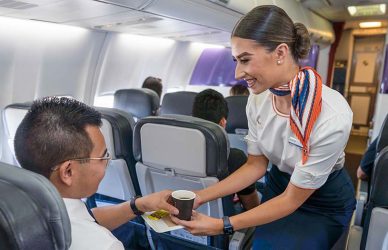
Flight attendants play an essential role in the airline industry. They are responsible for passenger safety, emergency preparedness, and customer service throughout a flight. From assisting passengers during boarding to responding to emergencies, their work goes far beyond serving food and beverages.
If you are searching for how to become a flight attendant, understanding the qualifications, application process, training requirements, and career opportunities is the best place to start.
In this guide, we explain how to become a flight attendant in 2026, what airlines look for in candidates, how much flight attendants earn, and how to find flight attendant jobs that match your qualifications.
What Does a Flight Attendant Do?
A flight attendant is an aviation professional responsible for maintaining cabin safety and helping passengers throughout their journey.
Flight attendants work for commercial airlines, regional carriers, and some private aviation operators. Although their daily responsibilities vary by employer, passenger safety remains a central part of the role.
Common flight attendant duties include:
- Conducting pre-flight cabin safety checks.
- Demonstrating safety procedures and explaining emergency equipment.
- Assisting passengers with boarding and seating.
- Providing customer service during flights.
- Responding to medical situations and other onboard emergencies.
- Communicating with pilots and other crew members.
- Ensuring cabin procedures are followed throughout the journey.
Flight attendants must remain calm under pressure, communicate clearly, and work effectively as part of a team.
What Are the Requirements to Become a Flight Attendant?
Flight attendant requirements vary by airline and country. Before applying, check the official recruitment requirements for the airline where you want to work.
Common requirements may include the following.
1. Meet the Minimum Age Requirement
Airlines establish minimum age requirements for cabin crew applicants. In the United States, the minimum is commonly 18 or 21, depending on the employer.
Always confirm the age requirement in the specific vacancy announcement.
2. Complete Your Education
A high school diploma or equivalent is a common minimum educational requirement for flight attendant jobs.
A university degree is not always necessary. However, qualifications in hospitality, tourism, communication, languages, or customer service may help you develop relevant skills.
3. Meet Language Requirements
English communication skills are important for many international and domestic airline positions.
Some airlines also recruit candidates who speak additional languages, particularly when those languages support the airline’s routes and passenger needs.
4. Meet Medical and Fitness Requirements
Candidates must be able to perform the essential duties of the role safely. Airlines may require medical assessments or other evaluations as part of recruitment.
Specific requirements differ by airline and jurisdiction.
5. Have the Required Travel Documents
Depending on the employer and routes operated, candidates may need a valid passport, authorization to work in the relevant country, and the ability to meet applicable travel and background-check requirements.
Some airlines also specify reach, swimming, or other job-related requirements. Review the actual vacancy rather than relying on general assumptions.
6. Develop Customer Service Skills
Previous experience in hospitality, retail, tourism, restaurants, hotels, or customer support can strengthen an application.
Employers often value candidates who can resolve problems professionally, communicate with different people, and maintain a positive attitude in challenging situations.
For US-specific occupational guidance, consult the U.S. Bureau of Labor Statistics flight attendant guide.
How to Become a Flight Attendant: Step-by-Step Guide
If you want to start a career as cabin crew, follow these practical steps.
Step 1: Research Airlines and Their Requirements
Start by identifying airlines that operate in your preferred country or region.
Visit their official careers pages and review the requirements for flight attendant or cabin crew positions. Compare age requirements, education, language skills, work authorization, and any other eligibility criteria.
Researching vacancies early helps you understand what employers expect before submitting an application.
Step 2: Prepare Your Flight Attendant CV
Your CV should highlight the skills and experience that make you a suitable candidate.
Include:
- Educational qualifications.
- Customer service or hospitality experience.
- Language skills.
- Communication and teamwork abilities.
- Experience resolving customer concerns.
- Relevant training, certifications, or achievements.
Use clear formatting and tailor your CV to the airline’s job description. Be accurate about your experience and qualifications.
If you have not worked in aviation before, emphasize transferable skills from other roles.
Step 3: Apply for Flight Attendant Jobs
Submit your application through the airline’s official recruitment website or a trusted aviation careers portal.
Read the job description carefully and provide all requested information. Ensure that your CV and application match the role’s requirements.
Recruitment processes may include online applications, assessments, video interviews, group exercises, and in-person interviews.
Step 4: Prepare for the Flight Attendant Interview
Airline interviews often assess communication, teamwork, customer service, judgment, and professionalism.
Prepare examples that demonstrate how you have handled difficult customers, worked with colleagues, solved problems, or remained calm under pressure.
Common interview questions include:
- Why do you want to become a flight attendant?
- What do you know about our airline?
- How would you handle an upset passenger?
- Tell us about a time you worked successfully in a team.
- How would you respond to a challenging situation while maintaining safety procedures?
Use specific examples from your previous work, education, or volunteer experience.
Step 5: Complete the Airline’s Training Program
Candidates who receive an offer typically need to complete the employer’s required training program.
Training may cover aircraft safety, emergency procedures, evacuation, first aid, security, passenger handling, and airline-specific operating procedures.
Training is demanding because flight attendants must demonstrate that they can perform their duties safely and consistently.
In the United States, flight attendants must meet applicable Federal Aviation Administration certification requirements. Other countries follow their own regulatory frameworks.
For further information, visit the Federal Aviation Administration’s aviation safety resources.
Step 6: Begin Your Cabin Crew Career
After successfully completing the required training and assessments, you can begin working according to your employer’s procedures and applicable certification requirements.
New flight attendants may initially have limited control over schedules and assignments. Depending on the airline, you may need to relocate, work reserve schedules, or operate flights at different times of day.
As you gain experience, opportunities may arise in senior cabin crew positions, training, recruitment, or cabin management.
Do You Need Flight Attendant Training Before Applying?
Not necessarily.
Many airlines provide their own initial training to successful candidates. This training is designed around the airline’s aircraft, procedures, safety requirements, and operational standards.
A private cabin crew course may provide introductory knowledge or interview preparation, but it does not guarantee employment or replace mandatory airline training.
Before paying for a course, review vacancies at your target airlines and identify whether a particular qualification is actually required.
For many applicants, building customer service experience, preparing a strong CV, and applying for suitable vacancies are practical first steps.
How Much Does a Flight Attendant Earn?
Flight attendant salary depends on the airline, country, experience, seniority, and compensation structure.
In the United States, the Bureau of Labor Statistics reported a median annual wage of $63,580 in May 2025. This is a national occupational median, not a guaranteed starting salary or a universal salary for all airlines.
Compensation may include base pay and additional payments or benefits depending on the employer and applicable agreements.
When comparing flight attendant jobs, consider:
- Starting pay and how pay increases with seniority.
- Paid training arrangements.
- Flight-hour pay and other compensation rules.
- Health insurance and retirement benefits, where available.
- Travel benefits and leave policies.
- Base location and commuting or relocation costs.
- Schedule flexibility and time away from home.
For current US salary data, check the BLS Occupational Outlook Handbook.
Is Flight Attendant a Good Career?
A flight attendant career can be rewarding for people who enjoy teamwork, travel, customer service, and dynamic working environments.
However, it is important to understand both the advantages and the challenges before applying.
Potential advantages:
- Opportunities to travel and experience different destinations.
- Opportunities to work with diverse teams and passengers.
- Development of communication, safety, and leadership skills.
- Potential career progression within an airline.
- Employee travel benefits at some airlines.
Potential challenges:
- Irregular working hours, including weekends and holidays.
- Time away from family and friends.
- Fatigue from changing schedules and time zones.
- Managing difficult passenger interactions.
- Meeting demanding safety and service standards.
The right career choice depends on your interests, lifestyle, and professional goals.
How to Get a Flight Attendant Job With No Experience
You do not always need previous airline experience to apply for an entry-level flight attendant position.
Many candidates develop relevant skills through other industries before moving into aviation.
Here are five ways to strengthen your application.
1. Gain customer service experience. Work in hospitality, retail, restaurants, tourism, or customer support to build communication and problem-solving skills.
2. Improve your communication skills. Practice speaking confidently, listening carefully, and explaining information clearly.
3. Research your target airlines. Understand their destinations, customer service approach, recruitment process, and stated requirements.
4. Prepare for assessments and interviews. Practice answering competency-based questions and explaining how you would respond to challenging situations.
5. Apply consistently and carefully. Monitor official airline career pages and trusted aviation job portals. Apply only when you meet the stated eligibility criteria.
A well-prepared candidate can demonstrate relevant skills even without previous experience in the aviation industry.
Where to Find Flight Attendant Jobs in 2026
Finding the right vacancy is an important step toward becoming a flight attendant.
Start with official airline career websites, where employers publish recruitment announcements, eligibility criteria, and application instructions.
You can also use an aviation careers portal to discover opportunities from multiple employers and explore related positions.
When searching, try terms such as:
- Flight attendant jobs.
- Cabin crew jobs.
- Entry-level flight attendant jobs.
- Airline cabin crew recruitment.
- International cabin crew jobs.
- Cabin crew jobs for freshers.
- Flight attendant jobs with training.
Availability varies by location and recruitment cycle. Always confirm that a vacancy is current and verify the application details with the employer before submitting personal information.
Ready to take the next step? Explore the latest flight attendant and cabin crew vacancies on our aviation careers portal. Find opportunities that match your qualifications, prepare your application, and take the first step toward a career in aviation.
Frequently Asked Questions About Becoming a Flight Attendant
How long does it take to become a flight attendant?
The timeline varies. You must account for recruitment, assessments, background checks, medical evaluations where required, and airline training. The process can take several months, depending on the employer and recruitment cycle.
Can I become a flight attendant without a degree?
Yes. Many airlines accept a high school diploma or equivalent as the minimum education requirement, although specific criteria vary by employer and country.
Can I become a flight attendant without experience?
Yes, some airlines recruit candidates without previous airline experience. Customer service, hospitality, communication, and teamwork experience can strengthen your application.
What skills are important for flight attendants?
Important skills include communication, teamwork, customer service, adaptability, attention to detail, problem-solving, and the ability to follow safety procedures under pressure.
Do flight attendants get paid during training?
Training compensation and employment arrangements vary by airline. Review the terms of the job offer and ask the employer to clarify pay, expenses, and conditions before accepting.
Is cabin crew the same as a flight attendant?
The terms are commonly used to describe the same general occupation. “Cabin crew” is widely used internationally, while “flight attendant” is particularly common in the United States.
Where can I apply for flight attendant jobs?
You can apply through official airline recruitment websites and reputable aviation careers portals. Check each vacancy for its location, requirements, closing date, and application instructions.
Start Your Aviation Career Today
Becoming a flight attendant requires preparation, communication skills, a strong understanding of passenger safety, and the ability to meet airline-specific recruitment requirements.
By researching employers, preparing a professional CV, practicing interview questions, and monitoring suitable vacancies, you can take practical steps toward your goal.
Explore flight attendant jobs on our aviation careers portal and discover your next career opportunity in the aviation industry.