Introduction
When people think about aviation careers, becoming a pilot is often the first option that comes to mind. However, the aviation industry offers a wide range of career opportunities for people with different skills, educational backgrounds, and professional interests.
From aircraft maintenance and air traffic control to airport operations, aviation safety, and airline management, there are many ways to build a rewarding career in aviation without flying an aircraft.
Whether you are a student exploring career options, a recent graduate looking for your first job, or an experienced professional considering a career change, understanding the different aviation careers available can help you identify the right path.
In this guide, we explore 15 aviation careers besides being a pilot, including their main responsibilities, relevant qualifications, and the skills that can help you succeed.
1. Aircraft Maintenance Technician
Aircraft maintenance technicians help ensure that aircraft remain safe and airworthy. They inspect aircraft systems, troubleshoot mechanical issues, perform scheduled maintenance, and repair components according to approved procedures.
This career is ideal for people who enjoy practical work, technical problem-solving, and working with complex machinery.
Typical responsibilities:
- Inspecting aircraft structures, engines, and systems.
- Performing routine maintenance and repairs.
- Identifying technical faults and documenting maintenance work.
- Following aviation safety procedures and regulatory requirements.
Qualifications and skills: Depending on the country and position, relevant technical training, approved maintenance experience, and an aircraft maintenance license or certification may be required.
2. Air Traffic Controller
Air traffic controllers help maintain the safe and orderly movement of aircraft in controlled airspace and around airports. They communicate with pilots, provide instructions, and coordinate aircraft movements to reduce the risk of conflicts.
The role requires concentration, clear communication, sound judgment, and the ability to work under pressure.
Typical responsibilities:
- Monitoring aircraft movements using radar and other systems.
- Communicating instructions and clearances to pilots.
- Coordinating aircraft arrivals, departures, and movements.
- Maintaining separation between aircraft in accordance with applicable procedures.
Qualifications and skills: Requirements vary by country and air navigation service provider. Candidates may need to pass aptitude tests, medical assessments, specialized training, and licensing requirements.
3. Cabin Crew Member
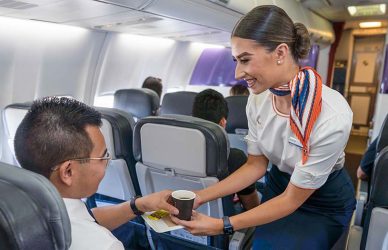
Cabin crew members are responsible for passenger safety, security procedures, and customer service throughout a flight.
Although customer service is an important part of the role, cabin crew members also receive training to respond to onboard emergencies and medical situations.
Typical responsibilities:
- Conducting safety checks before departure.
- Demonstrating safety procedures and assisting passengers.
- Responding to onboard emergencies.
- Providing customer service throughout the journey.
Qualifications and skills: Airlines establish their own eligibility criteria, which may include minimum age requirements, communication skills, medical fitness, and completion of airline training.
4. Aircraft Avionics Technician
Avionics technicians specialize in the electronic systems used in aircraft. These systems may include navigation equipment, communication systems, flight instruments, surveillance technology, and automated controls.
This career can suit people with an interest in electronics, diagnostics, and aviation technology.
Typical responsibilities:
- Testing and troubleshooting aircraft electronic systems.
- Inspecting communication and navigation equipment.
- Installing or repairing approved avionics components.
- Recording technical work and following maintenance procedures.
Qualifications and skills: Relevant education in avionics, electronics, or aircraft maintenance may be required. Licensing and certification requirements depend on the role and jurisdiction.
5. Flight Dispatcher
Flight dispatchers help plan and monitor airline flights. Depending on the operating environment and regulatory framework, they work with pilots and operations teams to assess weather, fuel requirements, flight routes, aircraft performance, and operational restrictions.
Typical responsibilities:
- Reviewing weather forecasts and operational notices.
- Assisting with flight planning and route selection.
- Monitoring flight progress and changing operational conditions.
- Coordinating with pilots and airline operations teams.
Qualifications and skills: Employers may require aviation operations training, relevant experience, or a flight dispatcher license where applicable.
6. Airport Operations Officer
Airport operations officers help keep airport activities running safely and efficiently. Their work may involve terminal operations, airside inspections, operational coordination, safety procedures, and communication with airport departments.
Typical responsibilities:
- Monitoring airport facilities and operational areas.
- Coordinating with airlines, ground handlers, and airport teams.
- Supporting safety inspections and incident reporting.
- Helping manage operational disruptions.
Qualifications and skills: Requirements vary by employer. Relevant qualifications may include aviation management, airport operations, business administration, or safety training.
7. Ground Handling Agent
Ground handling agents support aircraft and passengers while an aircraft is on the ground. Depending on their assignment, they may work in passenger services, baggage handling, ramp operations, aircraft turnaround, or load coordination.
Typical responsibilities:
- Assisting with passenger check-in and boarding.
- Handling baggage and cargo.
- Supporting aircraft turnaround activities.
- Following ramp safety and operational procedures.
Qualifications and skills: Many entry-level roles provide job-specific training. Employers often value teamwork, punctuality, customer service, and the ability to work in a fast-paced environment.
8. Aviation Safety Officer
Aviation safety officers help organizations identify hazards, assess risks, and strengthen safety practices. They may work for airlines, airports, maintenance organizations, aviation service providers, or other aviation-related organizations.
Typical responsibilities:
- Supporting safety risk assessments.
- Reviewing incident and hazard reports.
- Monitoring compliance with safety procedures.
- Promoting safety awareness and continuous improvement.
Qualifications and skills: Employers may look for aviation experience, safety management knowledge, relevant education, and training in safety systems or risk management.
9. Aircraft Structures Technician
Aircraft structures technicians inspect and repair aircraft structural components, including fuselage sections, wings, panels, and other airframe elements.
They help identify structural damage, corrosion, and wear that could affect aircraft integrity.
Typical responsibilities:
- Inspecting aircraft structures for damage.
- Performing approved structural repairs.
- Working with technical drawings and maintenance documentation.
- Ensuring repairs meet applicable engineering and maintenance standards.
Qualifications and skills: Technical training in aircraft structures, sheet metal work, composites, or aircraft maintenance may be relevant.
10. Aviation Security Officer
Aviation security officers help protect airports, aircraft, passengers, staff, and facilities from security threats.
Their duties vary according to local regulations, airport procedures, and whether they work directly for an airport, an airline, or a security contractor.
Typical responsibilities:
- Screening passengers, baggage, or other items where assigned.
- Monitoring restricted areas and access points.
- Following security protocols and reporting suspicious activity.
- Supporting emergency and incident response procedures.
Qualifications and skills: Requirements may include background checks, security training, and role-specific certifications.
11. Airline Customer Service Agent
Airline customer service agents assist passengers throughout their travel experience. They may work at check-in counters, boarding gates, ticketing desks, or customer support centers.
This is a potential entry point for people who want to enter the airline industry and develop experience in airline operations.
Typical responsibilities:
- Checking passengers in for flights.
- Assisting with boarding and travel documentation.
- Helping passengers with delays, cancellations, and rebooking.
- Responding to questions about airline services and policies.
Qualifications and skills: Strong communication, problem-solving, customer service, and computer skills are commonly valued.
12. Aviation Meteorologist
Aviation meteorologists analyze weather conditions that can affect flight planning and airport operations. Their work helps aviation professionals understand potential risks from thunderstorms, turbulence, icing, wind, reduced visibility, and other weather phenomena.
Typical responsibilities:
- Analyzing aviation weather observations and forecasts.
- Preparing weather information for aviation users.
- Identifying weather conditions that may affect flight operations.
- Communicating forecasts and significant weather developments.
Qualifications and skills: Many specialist positions require education or training in meteorology or atmospheric science, along with knowledge of aviation weather requirements.
13. Aircraft Manufacturing Technician
Aircraft manufacturing technicians help build aircraft and aerospace components. They may work in assembly, production, component installation, quality inspection, or manufacturing support.
This career is suited to people interested in engineering, precision work, manufacturing, and aerospace technology.
Typical responsibilities:
- Assembling aircraft components.
- Reading technical drawings and work instructions.
- Installing mechanical or electrical systems.
- Supporting quality checks and production processes.
Qualifications and skills: Requirements vary by employer and specialization. Technical education, manufacturing experience, and knowledge of quality and safety procedures can be beneficial.
14. Aviation Quality Assurance Inspector
Aviation quality assurance inspectors help verify that maintenance activities, components, manufacturing processes, or operational procedures meet applicable standards.
Their work supports regulatory compliance, reliability, and aviation safety.
Typical responsibilities:
- Reviewing maintenance and inspection records.
- Checking work against approved procedures and standards.
- Identifying nonconformities and supporting corrective actions.
- Maintaining quality documentation.
Qualifications and skills: Depending on the position, employers may require relevant technical qualifications, aviation experience, knowledge of quality management systems, or specific authorizations.
15. Aviation Management Professional
Aviation management professionals help oversee the business and operational side of the aviation industry. They may work in airline planning, airport management, commercial strategy, logistics, finance, human resources, or operational performance.
This career can suit people interested in leadership, business strategy, logistics, and organizational management.
Typical responsibilities:
- Coordinating operational or administrative activities.
- Managing budgets, projects, or performance targets.
- Supporting business planning and service improvements.
- Working with teams across aviation organizations.
Qualifications and skills: Relevant degrees or professional experience in aviation management, business administration, logistics, finance, or related fields may be useful. Requirements depend on the seniority and responsibilities of the position.
How to Choose the Right Aviation Career
Choosing among the many aviation career paths starts with understanding your interests, strengths, and long-term goals.
Consider the following factors before deciding which direction to pursue.
1. Identify your interests. If you enjoy working with machinery, explore aircraft maintenance or manufacturing. If you prefer communication and coordination, consider flight dispatch, passenger services, or airport operations.
2. Research qualifications. Some aviation jobs require specialized licenses or regulated training, while others offer entry-level opportunities with employer-provided training.
3. Compare working environments. Aviation professionals may work in airport terminals, aircraft hangars, control facilities, offices, manufacturing plants, or outdoors on the airport ramp.
4. Understand the lifestyle. Shift work, overnight schedules, travel, physical demands, and operational pressure vary by role and employer.
5. Explore career progression. Research how each role can lead to specialist, supervisory, managerial, or technical positions.
6. Review actual vacancies. Compare job descriptions to understand the qualifications, experience, and skills employers currently request.
Can You Start an Aviation Career Without Experience?
Yes. Some aviation careers offer entry-level opportunities, although eligibility and training requirements vary by country, employer, and position.
Potential starting points include:
- Airline customer service.
- Passenger services and ground handling.
- Entry-level airport operations support.
- Aviation administration.
- Aircraft manufacturing apprenticeships.
- Technical training pathways for aircraft maintenance.
- Internships and graduate programs with aviation organizations.
To improve your chances, prepare a targeted CV, develop relevant communication and technical skills, research employers, and check the eligibility requirements for each vacancy.
For technical and safety-critical positions, make sure you understand the relevant licensing, medical, background-check, and training requirements before applying.
What Is the Best Aviation Career for You?
There is no single best aviation career for everyone. The right choice depends on your interests, qualifications, preferred working environment, financial goals, and willingness to undertake additional training.
If you enjoy hands-on technical work, aircraft maintenance, avionics, and manufacturing may be worth exploring. If you prefer coordinating complex activities, consider flight dispatch or airport operations. If you are interested in customer service, cabin crew and airline passenger services could be suitable options.
For people who prefer planning, analysis, or leadership, aviation safety, meteorology, quality assurance, and management offer different ways to contribute to the industry.
The most effective way to make a decision is to research the requirements for each role and compare them with your existing skills and career goals.
Explore Aviation Career Opportunities
The aviation industry offers opportunities for people with a wide range of technical, operational, customer service, and business skills. You do not have to become a pilot to build a career in aviation.
Whether you are looking for an entry-level position, planning professional training, or considering your next career move, learning about available roles is an important first step.
Ready to take the next step? Explore aviation job opportunities, review employer requirements, and discover roles that match your skills and career ambitions.
Browse aviation vacancies on our careers portal and take the next step toward your future in aviation.
Frequently Asked Questions
What are the best aviation careers besides being a pilot?
Popular options include aircraft maintenance technician, air traffic controller, cabin crew member, flight dispatcher, airport operations officer, aviation safety officer, and aviation management professional. The best option depends on your interests, qualifications, and location.
Can I work in aviation without a degree?
Yes. Some aviation positions do not require a university degree. Entry-level passenger services, ground handling, and certain support roles may offer accessible routes into the industry. However, specialized technical and safety-critical roles may require approved training, licenses, or other qualifications.
Which aviation jobs are suitable for beginners?
Depending on local requirements and employer policies, beginners may consider airline customer service, ground handling, passenger services, aviation administration, apprenticeships, internships, and graduate programs.
Are aviation careers in demand?
Demand varies by occupation, region, and economic conditions. Prospective candidates should review current vacancies, workforce forecasts, and employer recruitment announcements in their target market.
How do I get started in an aviation career?
Start by identifying roles that match your interests, researching the qualifications required in your country, preparing a tailored CV, and applying for suitable vacancies. Where specialized training or licensing is required, consult the relevant aviation authority or approved training provider.
Do all aviation careers require specialized training?
No. Training requirements depend on the role. Some positions provide on-the-job training, while regulated technical, operational, and safety-critical positions may require specific qualifications, licenses, or certifications.